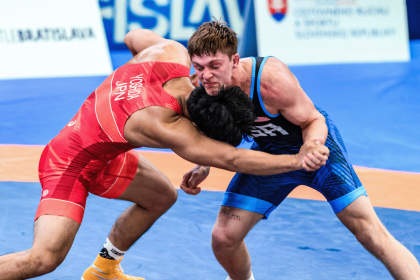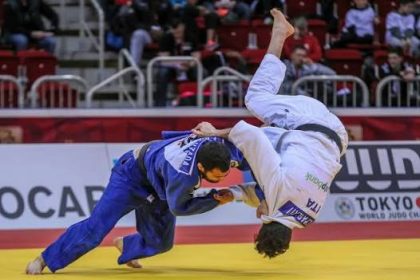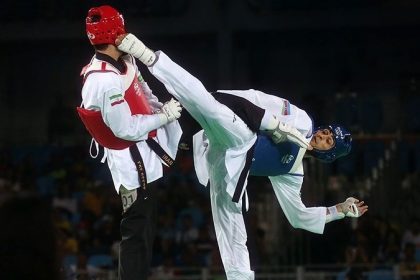



Mixed Martial Arts (MMA) is a full-contact combat sport in which competitors use techniques from multiple martial arts disciplines, including striking and grappling, to defeat an opponent. Matches typically take place inside a regulated cage or ring under unified rules that allow a combination of stand-up striking, clinch fighting, takedowns, and ground fighting.
The objective is to win by knockout (KO), technical knockout (TKO), submission, judges’ decision, or referee stoppage while adhering to established competition rules designed to protect athlete safety.
MMA integrates techniques from disciplines such as boxing, wrestling, Brazilian jiu-jitsu, Muay Thai, judo, karate, and other martial arts systems. Success in the sport requires a blend of technical versatility, physical conditioning, tactical awareness, and mental resilience.
Core Physical Demands
Physical demands vary by fighting style and weight class.
Strikers rely on speed, precision, footwork, and power to deliver effective punches, kicks, elbows, and knees while maintaining defensive positioning.
Grapplers depend on strength, leverage, body control, and endurance to execute takedowns, positional control, and submission techniques.
Well-rounded fighters must combine striking and grappling skills while managing pacing, strategy, and defensive awareness throughout multiple rounds.
MMA competition requires high levels of cardiovascular endurance, muscular strength, flexibility, reaction time, and mental composure under pressure.
Competitive Structure
MMA competitions are organized by weight classes to ensure fair competition. Professional bouts typically consist of three five-minute rounds, while championship fights may extend to five rounds.
Competition pathways include:
Amateur MMA
Development-level competition emphasizing safety rules, shorter rounds, and protective requirements.
Professional MMA
Sanctioned professional events regulated by athletic commissions or governing bodies.
Regional Promotions
Development leagues that serve as pathways for fighters to reach larger international organizations.
International Promotions
Major organizations that host elite-level competition and championship events.
Women’s MMA has experienced significant global growth in both participation and viewership, supported by increased promotion visibility and championship divisions.
Globally, MMA participation continues expanding due to the accessibility of mixed-discipline training programs and the growth of professional promotions across multiple continents.
From 2025–2026, growth is strongest in youth grappling academies, amateur MMA circuits, and regional professional promotions. Technology adoption includes performance analytics, wearable training monitors, high-speed video analysis, and digital scoring systems.
Section 2: Contents
- Mixed Martial Arts (MMA)
- The Sport
- How We Can Help
- Governing Organizations
- Equipment Needed
- Major Global Events
- Local Amateur Clubs
Section 3: How We Can Help
theglobalsportsmarket.com provides structured guidance for athletes, families, and community participants navigating MMA participation pathways.
The platform clarifies differences between martial arts training academies, amateur competition circuits, and professional promotions. It also outlines safe athlete development practices and explains equipment standards and regulatory oversight.
Support Includes
- Education on safe training progression for combat sports
- Awareness of concussion protocols and medical supervision requirements
- Age-based competition structures and amateur eligibility rules
- Development pathway education from martial arts academies to amateur competition
Community-based discovery of verified MMA gyms and martial arts training programs is supported through:
Meet
https://meet.theglobalsportsmarket.com
Section 4: Governing Organizations
International Mixed Martial Arts Federation (IMMAF)
https://immaf.org
Association of Boxing Commissions (ABC)
https://abcboxing.com
USA Mixed Martial Arts Federation (USMMAF)
https://www.usammaf.org
United States Fight League (Amateur MMA Governance)
https://www.usfightleague.org
Athletic commissions in many countries regulate professional MMA competition, licensing fighters, referees, judges, and event promoters.
Section 5: Equipment Needed
Core Equipment (Youth → Professional)
- MMA gloves (competition-approved weight and padding)
- Mouthguard
- Groin protector
- Athletic shorts designed for grappling mobility
- Shin guards (often required in amateur competition)
- Hand wraps for training and competition
- Rash guards or compression tops for training
Safety & Certification
Competition and training environments should operate under sanctioned regulatory standards. Amateur fighters may be required to use additional protective equipment, and medical clearance is typically required before competition.
Gyms and competition organizations should follow recognized combat sports safety protocols, including qualified coaching supervision, safe sparring guidelines, and injury management procedures.
2025–2026 Technology Trends
- Wearable training monitors for conditioning and recovery
- High-speed video analysis for striking and grappling technique
- Performance analytics for fight strategy
- Digital judging and scoring systems
Section 6: Major Global Events
Professional / Elite
Ultimate Fighting Championship (UFC)
https://www.ufc.com
Professional Fighters League (PFL)
https://www.pflmma.com
ONE Championship
https://www.onefc.com
Bellator MMA (merged into PFL ecosystem)
https://www.bellator.com
Amateur & Youth
IMMAF Amateur World Championships
https://immaf.org
National amateur MMA championships governed by regional federations.
Section 7: Local Amateur Clubs
How to Identify Legitimate Programs
MMA participation typically begins at martial arts gyms or training academies affiliated with recognized combat sports organizations. Families and athletes should confirm:
- Affiliation with recognized martial arts or MMA governing organizations
- Certified coaching credentials in relevant disciplines
- Structured youth training programs with age-appropriate contact rules
- Defined safety protocols for sparring and training
- Medical and concussion awareness policies
- Transparent membership and competition fee structures
Development Pathway Explanation
Recreational Martial Arts Training
Foundational instruction in striking, grappling, and conditioning.
Amateur Competition Circuits
Sanctioned amateur MMA events that emphasize safe athlete development.
Regional Professional Promotions
Entry-level professional competition serving as a pathway to international promotions.
Elite Pathway
Major global organizations hosting championship-level professional competition.
Seasonal Commitment Expectations
Training is typically year-round in martial arts gyms, with competition schedules depending on amateur leagues and regional promotion calendars.
Cost Transparency Expectations
Gym membership, coaching fees, equipment costs, medical clearances, and travel expenses for competitions should be clearly disclosed.
Academic Balance Considerations
Youth martial arts programs should maintain training schedules that support academic responsibilities and healthy physical development.
Red Flags to Avoid
- Gyms operating without qualified coaching supervision
- Unsafe sparring practices or excessive contact in youth training
- Lack of medical supervision for competitions
- Programs promising rapid professional advancement
- Unclear membership or competition fees
Official Governing Body Club Finders
USA Mixed Martial Arts Federation
https://www.usammaf.org
International Mixed Martial Arts Federation
https://immaf.org
Youth & Competitive Directories
Participants researching rankings and competition structures may consult:
- IMMAF international rankings and events
https://immaf.org - National amateur MMA event listings
- Regional combat sports federation competition schedules
These resources provide competition visibility but should not replace evaluation of coaching quality, safety standards, and long-term athlete development planning.
Community-Based Discovery
Structured local MMA gym and martial arts academy discovery can also be supported through:
https://meet.theglobalsportsmarket.com
Careful evaluation of local MMA gyms and martial arts academies remains central to safe participation, structured development, and sustainable progression in the sport.

Author: theHowie
We are building a network of digital resources designed to bring some much-needed order to the internet's most chaotic corners. I don't just collect domains; I build them into authoritative hubs for the topics I’m passionate about.