



Global Sports Market Intelligence Report
Sport: Volleyball
Category: Court Sports
Market Stage: Global / Mature / Expanding Commercially
Global Sports Market Intelligence Rating: 9.5/10
Olympic Status: Olympic Sport — Indoor Volleyball and Beach Volleyball
International Governing Body: FIVB
U.S. Governing Body: USA Volleyball
- Global Sports Market Intelligence Report
- Clubs
- Tournament Travel
- Equipment
- Facilities
- Media and Professional Growth
- Global Sports Market Intelligence Rating: 9.5/10 — Global Sports Powerhouse
- FIVB
- Volleyball World
- USA Volleyball
- NCAA Women’s Volleyball
- League One Volleyball
- AVP
- CEV
- Field Hockey
- Ice Hockey
- Lacrosse
- Why Sepak Takraw Matters: The World’s Most Spectacular Sport You’ve Probably Never Seen
- Why Hurling Matters: Ireland’s Fastest and Most Fascinating Sport
- Published By
An American Invention the World Made Its Own
Volleyball began in Massachusetts.
But its story quickly became global.
In 1895, YMCA physical education director William G. Morgan created a new indoor game in Holyoke, Massachusetts. Originally called Mintonette, the game was designed as an alternative to basketball.
The name didn’t last.
The sport did.
YMCA networks helped volleyball spread internationally, and over the following century different countries built their own playing cultures, coaching systems, clubs and national teams.
Today, volleyball looks very different depending on where you encounter it.
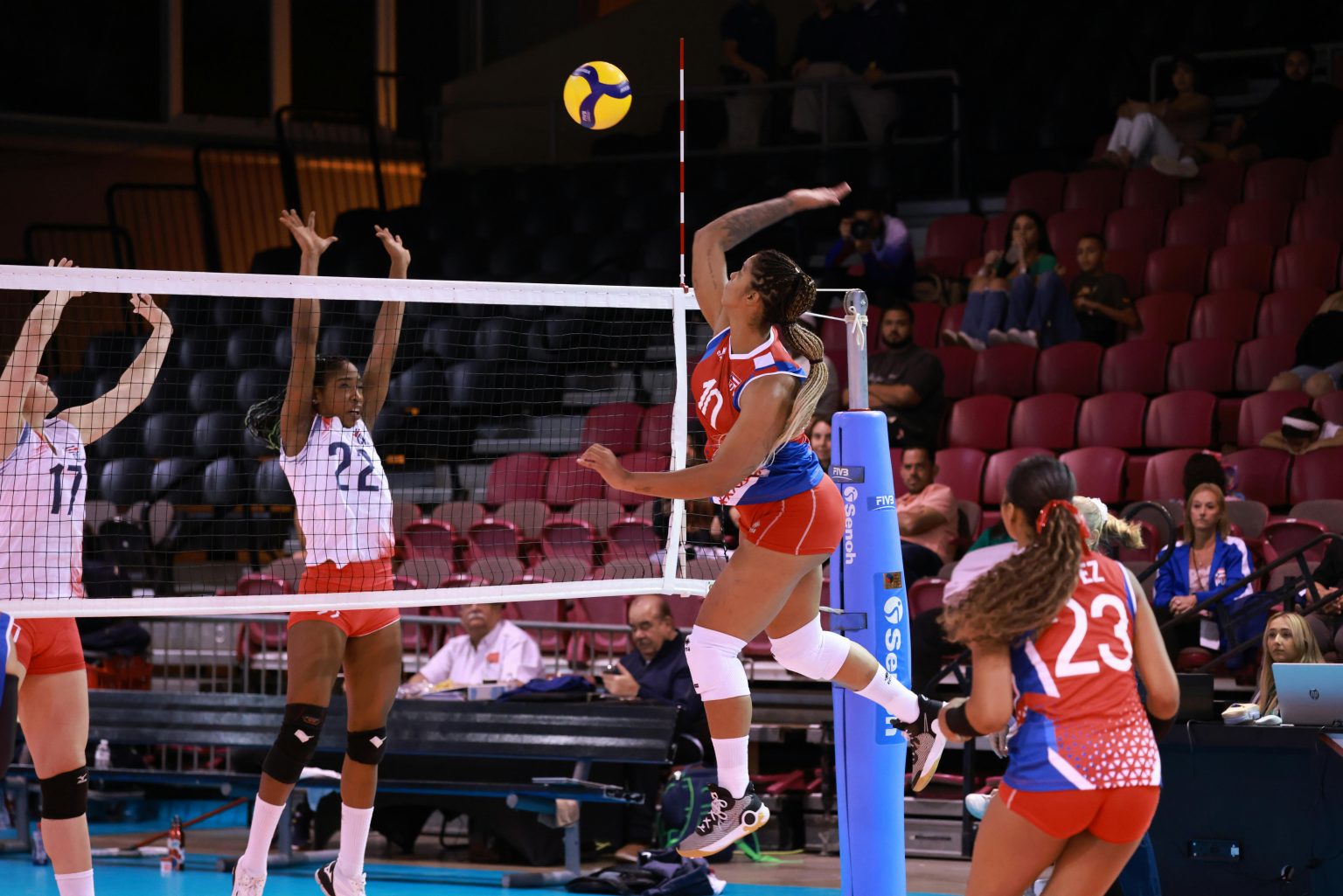
It can mean a packed professional arena in Italy.
A national-team match in Brazil.
A school gym in the United States.
A beach court in California.
A club tournament filling dozens of courts inside a convention center.
A neighborhood game in the Philippines.
A Polish arena overflowing with supporters.
An Olympic beach match beneath the summer sun.
Few sports move so comfortably between recreation and elite competition, indoor and outdoor, men’s and women’s sport, school and club systems, and local participation and global spectacle.
That versatility has helped turn volleyball into one of the world’s great participation sports.
And commercially, the sport may still have considerable room to grow.
By the Numbers
| Indicator | Volleyball |
|---|---|
| Created | Holyoke, Massachusetts — 1895 |
| Creator | William G. Morgan |
| International governing body | FIVB |
| U.S. governing body | USA Volleyball |
| Major international competition | Volleyball Nations League |
| Premier global championship | FIVB Volleyball World Championship |
| Olympic indoor format | 6 vs. 6 |
| Olympic beach format | 2 vs. 2 |
| Indoor Olympic debut | Tokyo 1964 |
| Beach Olympic debut | Atlanta 1996 |
| Major U.S. women’s college ecosystem | NCAA |
| U.S. professional women’s league | LOVB Pro |
| Major global markets | Europe, Asia, South America, North America |
Volleyball’s strength isn’t concentrated in a single professional league or country.
That’s the point.
Its ecosystem is distributed.
Brazil matters.
Italy matters.
Poland matters.
Japan matters.
Türkiye matters.
The United States matters.
China matters.
The Philippines matters.
And dozens of other countries have meaningful volleyball communities of their own.
The sport doesn’t have one center of gravity. It has many.
Watch Volleyball Around the World
Volleyball World
One of the best gateways into elite international volleyball, including national-team competitions, world championships and major global events.
FIVB
The international governing body and essential resource for volleyball’s global structure, national federations, development and competition.
Volleyball Nations League
The VNL brings leading men’s and women’s national teams together annually and has become one of international volleyball’s signature properties.
NCAA Women’s Volleyball
College volleyball is one of the strongest components of the American women’s game.
LOVB
League One Volleyball connects youth clubs with an expanding professional women’s volleyball platform in the United States.
AVP
Follow professional beach volleyball and one of the most recognizable beach-volleyball properties in the United States.
Volleyball’s Global Strength Comes From Its Flexibility
Volleyball needs equipment.
But not much.
A ball.
A net.
A court.
And even those requirements can become flexible recreationally.
People play volleyball indoors.
On grass.
On sand.
At schools.
At parks.
At beaches.
Inside recreation centers.
In clubs.
In backyards.
That flexibility is a significant global advantage.
Basketball needs a hoop.
Soccer needs open space and goals of some kind.
Volleyball needs something to hit the ball over.
The basic concept travels well.
And once players enter organized competition, the game can scale dramatically.
A six-player indoor team becomes part of a club.
Clubs enter tournaments.
Players enter school systems.
Elite athletes progress into college or professional competition.
National federations build international teams.
The pathway can begin almost anywhere.
The Local Club Is One of Volleyball’s Most Important Institutions
For many young volleyball players, especially in the United States, the club becomes central to development.
School volleyball provides an important competitive environment.
Club volleyball adds another layer.
Teams train outside the school season.
They travel.
They enter regional and national tournaments.
Players receive specialized coaching.
College recruiting becomes part of the ecosystem for some athletes.
Organizations such as USA Volleyball connect regional structures to the broader national system.
But volleyball’s value shouldn’t be measured only through athletes pursuing scholarships.
Local volleyball also means:
Recreation Leagues • School Teams • Adult Leagues • Beach Leagues • Community Programs • Open Gyms • Camps • Clinics
Someone doesn’t need to be chasing Division I volleyball to belong in the sport.
That’s important.
Participation is the market. Elite competition is only the top of it.
Find Volleyball, Not Just Information About Volleyball
This is exactly where the Global Sports Directory can become useful.
Someone interested in volleyball may want to know:
Where is the closest youth club?
Does my school district offer volleyball?
Are there beginner programs?
Where can adults play?
Are there open gyms?
Beach courts?
Grass tournaments?
Volleyball camps?
Club tryouts?
College games?
Professional matches?
As the directory grows, our goal is to connect readers with:
Clubs • Youth Programs • School Teams • Recreation Leagues • Adult Leagues • Gyms • Beach Courts • Camps • Clinics • Coaches • Tournaments • College Programs • Professional Teams • International Events
Volleyball already has enormous local infrastructure.
Much of it is simply fragmented across club sites, schools, municipal recreation systems, tournament operators and social media.
Making those opportunities easier to discover creates real utility.
The article explains the sport’s world. The directory helps people enter it.
Girls’ and Women’s Volleyball Is a Massive Part of the Market
Any serious analysis of volleyball needs to recognize the importance of the women’s game.
In the United States, girls’ volleyball has become deeply embedded in high schools and clubs.
College volleyball provides another highly visible destination.
Internationally, women’s volleyball is a major professional and national-team sport in markets including Italy, Türkiye, Brazil, Japan, China and elsewhere.
That creates an unusually complete women’s sports ecosystem:
Youth → Club → School → College → Professional → National Team → Olympics
The American professional layer has historically been less established than the youth and college systems underneath it.
That is changing.
League One Volleyball has built its model around connecting professional teams with a broader club ecosystem.
That structure is interesting because it addresses one of the recurring problems in American women’s professional sports:
How do you connect a new professional property to fans who already care about the sport locally?
Volleyball already has the players.
The clubs.
The parents.
The coaches.
The college fans.
The professional opportunity is to turn more of that existing participation into lasting fandom.
College Volleyball Is a Powerful American Asset
American college volleyball gives the sport something commercially valuable:
institutions people already care about.
The NCAA Women’s Volleyball Championship provides national visibility while conferences and schools create rivalries throughout the season.
Programs such as Nebraska, Penn State, Wisconsin, Texas, Stanford and Louisville have helped create recognizable brands within the college game.
Nebraska has provided one of the clearest demonstrations of volleyball’s audience potential.
In 2023, a women’s volleyball match at Memorial Stadium in Lincoln drew 92,003 spectators, setting a world attendance record for a women’s sporting event at the time.
Think about what that number says.
Volleyball isn’t struggling because nobody cares.
In the right markets, with strong teams and compelling events, the audience can be enormous.
Professional Volleyball Has Always Been Global
American sports fans sometimes evaluate a sport’s professional strength by asking whether it has a major U.S. league.
That approach badly underestimates volleyball.
Professional club volleyball has long been established internationally.
Italy has one of the world’s strongest league systems.
Poland has built a passionate men’s volleyball culture.
Türkiye has become a major force in elite women’s club volleyball.
Japan has invested heavily in its professional structure.
Brazil possesses deep volleyball tradition both indoors and on the beach.
European club competitions organized through the CEV add another prestigious layer.
Elite players can build careers across multiple countries, while top clubs develop international rosters.
This is a recurring lesson in the Global Sports Market:
The American professional sports model is not the only professional sports model.
Volleyball proves it.
Brazil Shows How Deep a Volleyball Culture Can Become
Few countries demonstrate volleyball’s range better than Brazil.
Indoor volleyball has produced championship national teams and globally recognized athletes.
Beach volleyball has become deeply associated with the country’s sporting identity.
Public beaches provide visible recreational infrastructure.
Professional and Olympic success creates aspiration.
National teams generate attention.
Young players see volleyball everywhere.
That combination creates a reinforcing system:
Visibility → Participation → Development → Elite Success → More Visibility
Brazil isn’t simply a country that happens to be good at volleyball.
It is a volleyball culture.
And that’s an important distinction.
Asia Is Central to Volleyball’s Future
Volleyball’s Asian footprint is significant.
Japan has a long history in both men’s and women’s volleyball and continues developing its professional league structure.
China has been one of the most important countries in women’s international volleyball.
The Philippines has an intensely engaged volleyball audience and has become increasingly visible as a host market for major international events.
Thailand has built a recognizable women’s national-team program.
Across Asia, the sport benefits from something commercially valuable:
dense urban populations and indoor venues.
Volleyball can stage elite competition inside existing arenas without requiring massive playing surfaces or purpose-built stadiums.
That gives the sport considerable event flexibility.
Beach Volleyball Gives the Sport Another Identity
Then volleyball leaves the gym entirely.
Beach volleyball turns the six-player indoor game into a two-player contest where each athlete has to do almost everything.
Pass.
Set.
Attack.
Block.
Defend.
Serve.
Communicate.
The environment also becomes part of the product.
Sand.
Sun.
Music.
Temporary stadiums.
Urban waterfronts.
Iconic beaches.
Beach volleyball became an Olympic medal sport at Atlanta 1996 and has since become one of the Summer Games’ most recognizable disciplines.
The format gives volleyball something many sports don’t possess:
a second elite product with its own culture and audience.
Indoor volleyball and beach volleyball share the same family.
They don’t feel like the same event.
Commercially, that’s an asset.
The Business of Volleyball
Volleyball’s economic ecosystem stretches across participation, events, equipment and professional competition.
Clubs
Youth volleyball clubs generate revenue through:
Membership Fees • Coaching • Training • Tournaments • Camps • Travel • Recruiting
Tournament Travel
Large club volleyball events can occupy convention centers and sports complexes filled with dozens of courts.
Hundreds of teams arrive.
Families book hotels.
Restaurants fill.
Officials work matches.
Vendors sell equipment.
College coaches recruit.
The result is a substantial sports-tourism economy.
Equipment
Major volleyball equipment categories include:
Balls • Nets • Shoes • Knee Pads • Apparel • Training Equipment • Court Systems
Brands serving the sport include Mikasa, Molten, ASICS, Mizuno and Nike.
Facilities
Volleyball benefits from multipurpose indoor infrastructure.
School gyms.
Recreation centers.
Fieldhouses.
Convention centers.
Private clubs.
Universities.
A basketball facility can often become a volleyball facility.
That reduces some of the infrastructure barriers faced by more specialized sports.
Media and Professional Growth
International volleyball already has significant professional and media infrastructure.
The next commercial opportunity is making elite volleyball easier for global fans to follow consistently across clubs, national teams, leagues and disciplines.
International Volleyball Is the Heart of the Sport
For many sports, international competition sits around the edges of the dominant professional league.
Volleyball is different.
National-team competition is central to its identity.
The Volleyball Nations League brings leading national teams together each year.
The FIVB World Championships crown global champions.
Continental championships create regional competition.
Then come the Olympic Games.
National-team volleyball can turn players who compete for clubs in different countries into teammates representing Brazil, Poland, Japan, Italy, Türkiye, the United States and dozens of other nations.
That creates an international calendar capable of generating interest well beyond domestic leagues.
And it makes volleyball fundamentally global.
The Olympics Remain Volleyball’s Greatest Showcase
Indoor volleyball has been part of the Olympic Games since Tokyo 1964.
Beach volleyball joined at Atlanta 1996.
Today, both are core parts of the Summer Olympic experience.
LA28 provides another major opportunity.
For existing volleyball countries, the Olympics reinforce established passion.
For casual viewers, they provide discovery.
Someone who never watches professional club volleyball may spend two weeks following a national team.
Someone who has never watched beach volleyball may discover it during the Games.
Then comes the question GSM increasingly cares about:
What happens after they become interested?
Can they find a club?
A recreational league?
A beach court?
An open gym?
A youth program?
A professional match?
That’s where global exposure has to connect back to local infrastructure.
The Olympics create discovery. Local volleyball creates participation.
Global Sports Market Index
| Factor | Score | Global Sports Market View |
| Participation Potential | 10.0 | Highly adaptable across ages, formats and environments |
| Accessibility | 9.0 | Relatively low equipment requirements and multipurpose facilities |
| Global Reach | 10.0 | Deep competitive cultures across multiple continents |
| Youth Development | 9.5 | Extensive club, school and federation systems |
| Collegiate Ecosystem | 9.5 | Particularly strong in U.S. women’s volleyball |
| Professional Opportunity | 9.5 | Deep international club ecosystem |
| Women’s Sports Strength | 10.0 | One of the world’s strongest women’s team sports |
| Media Potential | 9.5 | Fast, visual and well suited to digital audiences |
| Equipment & Commerce | 9.0 | Strong participation and specialized equipment market |
| Olympic Strength | 10.0 | Indoor and beach provide two major Olympic products |
| Overall | 9.5/10 | Global Sports Powerhouse |
Global Sports Market Verdict
Market Position: Global Sports Powerhouse
Accessibility: Excellent
International Reach: Exceptional
Youth Development: Exceptional
Collegiate Ecosystem: Very Strong
Professional Ecosystem: Strong and International
Women’s Sports Position: Exceptional
Commercial Ecosystem: Strong
Local Participation Potential: Exceptional
Olympic Strength: Exceptional
Volleyball may be one of the most underappreciated major sports in the American sports conversation.
Globally, there is nothing small about it.
It has deep national-team traditions.
Professional clubs.
Massive youth participation.
Powerful women’s programs.
College infrastructure.
Beach volleyball.
Olympic visibility.
And one of the simplest entry points in sports.
But its greatest strength may be its adaptability.
A game can begin in a school gym.
On a beach.
At a recreation center.
On grass in a park.
Inside a youth club.
That player can eventually enter a tournament, school team, college program, professional club or national team.
Or they can simply keep playing recreationally.
Both outcomes matter.
Because the strongest sports aren’t only the ones people pay to watch.
They’re the ones people can find a way to play.
Global Sports Market Intelligence Rating: 9.5/10 — Global Sports Powerhouse
Explore Volleyball
FIVB
The international governing body and primary resource for global volleyball governance, national federations, development and international competition.
Volleyball World
Follow major international indoor and beach volleyball competitions, teams, athletes, schedules and results.
USA Volleyball
The U.S. national governing body and an important gateway into national teams, clubs, regional associations, coaching and participation.
NCAA Women’s Volleyball
Follow American college volleyball, including scores, rankings, schedules and championship coverage.
League One Volleyball
Explore an American volleyball ecosystem connecting youth clubs with professional women’s teams.
AVP
Follow professional beach volleyball in the United States.
CEV
Explore European club and national-team volleyball across one of the sport’s strongest competitive regions.
Find Volleyball Near You
Volleyball is global.
Your next game is local.
As the Global Sports Directory grows on theGLOBALSPORTSMARKET.com, our goal is to help players, parents, coaches and fans find:
Youth Clubs • School Teams • Recreation Leagues • Adult Leagues • Gyms • Beach Courts • Open Gyms • Camps • Clinics • Coaches • Tournaments • College Games • Professional Teams • International Events
Maybe your daughter wants to try club volleyball.
Maybe your son is looking for a boys’ program.
Maybe you’re searching for an adult league.
Maybe you’re traveling and want to find beach volleyball.
Maybe there’s a college match nearby tonight.
Maybe you simply want somewhere to play.
The goal is simple:
Don’t just watch volleyball. Find your way into it.
Continue Your Global Sports Discovery Journey
Volleyball belongs to a much larger global sports ecosystem.
Continue exploring with these reports from theGLOBALSPORTSMARKET.com:
Field Hockey
Explore another major international team sport where youth clubs and local participation connect athletes to professional, international and Olympic competition.
Ice Hockey
Discover how local facilities and development systems support one of the world’s most recognizable professional and international sports ecosystems.
Lacrosse
Explore another club-driven sport connecting youth participation, college competition, professional leagues, international growth and LA28.
Why Sepak Takraw Matters: The World’s Most Spectacular Sport You’ve Probably Never Seen
Discover another net-and-court sport where extraordinary athleticism and deep cultural traditions are building a growing international audience.
Why Hurling Matters: Ireland’s Fastest and Most Fascinating Sport
Explore how strong community clubs and local participation can sustain a distinctive sporting culture across generations.
Explore more sports at theGLOBALSPORTSMARKET.com.
Our goal isn’t simply to explain the world’s sports.
It’s to help people discover them, understand them, care about them—and ultimately find a way to experience them themselves.
Discover → Understand → Care → Find → Participate.
Published By
theGLOBALSPORTSMARKET.com
A KODA8, LLC Property
Powered by theGLOBALMARKET.ai
Helping sports fans discover, understand and appreciate the incredible world of sports.

Author: Howie
We are building a network of digital resources designed to bring some much-needed order to the internet's most chaotic corners. I don't just collect domains; I build them into authoritative hubs for the topics I’m passionate about.