


Ice Hockey
The Sport
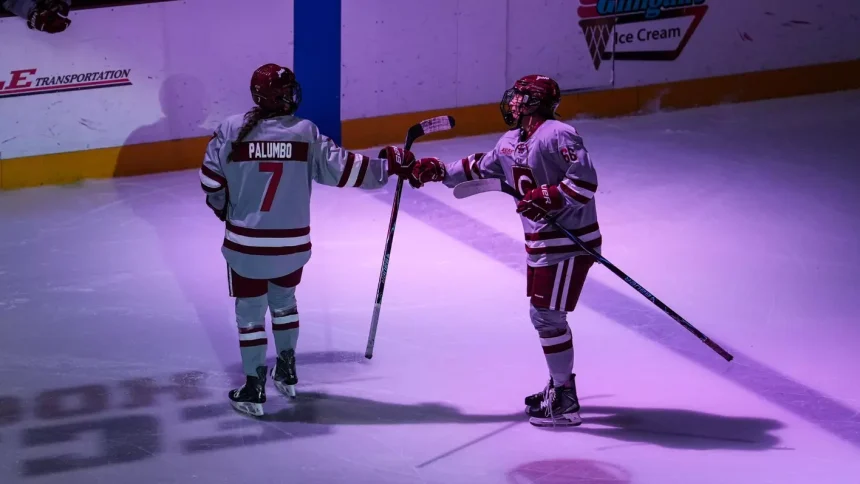
Ice hockey is a high-speed, collision-based team sport played on an ice surface between two teams of six players (five skaters and one goaltender). The objective is to score by shooting a puck into the opponent’s net during three regulation periods. The sport combines explosive skating, rapid directional changes, puck control, tactical structure, and physical contact. Players rotate in short shifts, requiring repeated high-intensity efforts supported by strong anaerobic conditioning and rapid recovery capacity.
Physically, ice hockey demands lower-body power, edge control, balance, upper-body strength, reaction speed, and spatial awareness. Cognitive processing speed is critical, as players must anticipate puck movement and defensive structures in confined spaces. Goaltenders require specialized reflex training, flexibility, and positional awareness distinct from skaters.
Ice hockey is played globally in several formats. Traditional five-on-five is the standard professional and international structure. Variations include three-on-three overtime formats, youth cross-ice developmental models, women’s hockey, and para ice hockey (sled hockey) governed under Paralympic frameworks. Women’s hockey continues to expand internationally, with increased collegiate and professional visibility. Youth participation models increasingly emphasize skill acquisition before contact introduction.
From 2025–2026, participation remains strong in Canada, the United States, Scandinavia, Central Europe, and Russia, with ongoing development initiatives in Asia and parts of Western Europe. The Winter Olympic Games and the IIHF World Championships remain major global visibility drivers. Ice rink infrastructure costs and facility access remain structural considerations, reinforcing the importance of sanctioned community associations.
Technology adoption continues to accelerate across elite and advanced youth levels. Player and puck tracking systems, wearable load monitoring, video analysis platforms, and concussion research initiatives are increasingly integrated into competitive environments. Governing bodies emphasize age-based checking regulations, SafeSport compliance, and formal return-to-play protocols.
How We Can Help
theglobalsportsmarket.com supports athletes, families, coaches, and stakeholders navigating the ice hockey ecosystem by providing structured guidance on development pathways, safety compliance, equipment standards, and competition structures.
The platform clarifies progression from recreational house leagues to travel programs, junior hockey, collegiate pathways, and professional competition. It provides education on concussion awareness, age-based checking rules, equipment certification standards, and the difference between legitimate sanctioned programs and unsanctioned operations.
The platform also explains modern performance technologies such as player tracking systems, video breakdown tools, and load monitoring platforms increasingly used in advanced development environments.
Community-based discovery of verified clubs and programs is supported through Meet:
https://meet.theglobalsportsmarket.com
This enables families to evaluate structured participation options aligned with athlete safety and long-term development.
Governing Organizations
International Ice Hockey Federation (IIHF) – https://www.iihf.com
National Hockey League (NHL) – https://www.nhl.com
USA Hockey – https://www.usahockey.com
Hockey Canada – https://www.hockeycanada.ca
International Paralympic Committee – Para Ice Hockey – https://www.paralympic.org
Equipment Needed
Core Equipment (Youth → Pro)
Skates: Bauer – https://www.bauer.com
CCM – https://ccmhockey.com
Sticks: Bauer – https://www.bauer.com
Warrior – https://www.warrior.com
CCM – https://ccmhockey.com
Helmets and Protective Equipment:
Bauer – https://www.bauer.com
CCM – https://ccmhockey.com
Goaltender Equipment:
Vaughn – https://www.vaughnhockey.com
Bauer – https://www.bauer.com
Pucks and Training Equipment:
Official league- and federation-approved suppliers.
Safety & Certification
Helmets used in organized hockey must meet standards certified by the Hockey Equipment Certification Council (HECC) in the United States and CSA standards in Canada. USA Hockey and Hockey Canada mandate SafeSport compliance, background screening, concussion education, and formal return-to-play protocols. Age-based checking rules are strictly defined within sanctioned leagues.
2025–2026 Technology Trends
Player and puck tracking systems integrated into professional arenas
Wearable monitoring platforms for load management (Catapult – https://www.catapult.com)
Advanced video analysis tools (Hudl – https://www.hudl.com)
Ongoing concussion impact research and helmet safety advancements
Major Global Events
Professional / Elite
National Hockey League (NHL) Season and Stanley Cup Playoffs – https://www.nhl.com
IIHF Ice Hockey World Championship – https://www.iihf.com
Winter Olympic Games – https://www.olympics.com
Amateur & Youth
IIHF World Junior Championship – https://www.iihf.com
USA Hockey National Championships – https://www.usahockey.com
Hockey Canada National Championships – https://www.hockeycanada.ca
Local Amateur Clubs
Finding the Right Ice Hockey Program
Ice hockey development typically begins through local recreational or “house league” programs affiliated with national governing bodies. From there, athletes may progress to travel teams, tiered competitive programs, junior leagues, and collegiate pathways.
When evaluating a local club or association, families should confirm:
• Sanctioning by USA Hockey, Hockey Canada, or relevant national federation
• SafeSport compliance and background screening policies
• Certified coaching credentials appropriate for the age level
• Written concussion and injury management protocols
• Age-appropriate checking regulations
• Transparent cost structures, including travel and tournament fees
Development Pathway Considerations
Recreational / House League
Focuses on foundational skill development, skating proficiency, and enjoyment of the game.
Travel / Tier Programs
Higher practice frequency, regional competition, structured tryouts, and greater seasonal commitment.
Elite / Junior Pathways
Includes structured junior leagues and national development programs. Families should verify league legitimacy, academic balance, and realistic advancement opportunities before committing.
Red Flags to Avoid
• Programs not affiliated with a recognized governing body
• No visible coaching certification disclosure
• Lack of written safety or concussion policies
• Excessive travel expectations at young ages
• Over-promising exposure or scholarships
• Financial opacity or unclear fee structures
Official Governing Body Club Finders
USA Hockey – Find a Program – https://www.usahockey.com
Hockey Canada – Association Finder – https://www.hockeycanada.ca
IIHF Member National Associations – https://www.iihf.com
Youth & Competitive Directories
Families researching competitive tiers and development pathways often use independent ranking and league databases as supplementary tools:
MyHockeyRankings – https://myhockeyrankings.com
Tracks youth team rankings based on game results and competitive strength modeling.
Elite Prospects – https://www.eliteprospects.com
Global database of players, teams, and junior league structures.
USPHL (United States Premier Hockey League) – https://www.usphl.com
Junior hockey league structure with development tiers.
Neutral Zone – https://neutralzone.net
Independent scouting and player evaluation platform.
These platforms provide visibility into competitive levels but should not replace direct evaluation of coaching quality, safety compliance, and development philosophy.
Community-Based Discovery
In addition to official directories and ranking platforms, structured community discovery tools can assist families in identifying local programs:
Meet – https://meet.theglobalsportsmarket.com
Careful evaluation of local amateur clubs remains the most important factor in ensuring safe participation, proper development, and alignment with long-term athletic goals.