


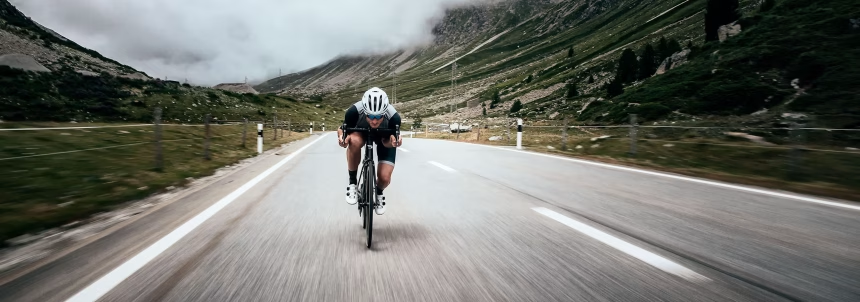
Pedal vehicle sports, also known as human-powered vehicle sports, involve competitions or recreational activities where participants use vehicles powered solely by pedaling. These sports are a significant part of the global sports market due to their accessibility, environmental appeal, and the growing interest in fitness and outdoor activities.
Key Pedal Vehicle Sports:
- Cycling (Road, Mountain, and Track):
- Road Cycling: Includes races like the Tour de France, Giro d’Italia, and Vuelta a España, where cyclists compete on paved roads over long distances.
- Mountain Biking: Involves off-road cycling on rough terrain, with disciplines like cross-country, downhill, and enduro.
- Track Cycling: Takes place on velodromes, with events like sprints, pursuits, and keirin races.
- BMX (Bicycle Motocross):
- BMX Racing: Short, high-speed races on dirt tracks with jumps and tight corners.
- BMX Freestyle: Focuses on tricks and stunts performed on ramps, halfpipes, and street courses.
- Cyclocross:
- A hybrid sport combining road cycling and mountain biking, often held on mixed-terrain courses with obstacles that require riders to dismount and carry their bikes.
- Gravel Cycling:
- A growing discipline that involves riding on unpaved gravel roads, blending elements of road cycling and mountain biking.
- Recumbent Biking:
- Involves riding recumbent bicycles, which allow riders to sit in a reclined position. These are often used for long-distance touring and racing.
- Handcycling:
- A pedal-powered sport for athletes with disabilities, using hand-operated cranks to propel the bike. It is part of the Paralympic Games.
- Unicycle Sports:
- Includes unicycle racing, trials, and even team sports like unicycle hockey or basketball.
- Velomobile Racing:
- Involves aerodynamic, enclosed pedal vehicles designed for speed and efficiency, often used in endurance races.
Reasons for Popularity in the Global Sports Market:
- Health and Fitness Benefits:
- Pedal vehicle sports are excellent for cardiovascular health, muscle building, and overall fitness. They appeal to a wide range of people, from casual riders to competitive athletes.
- Environmental Sustainability:
- As eco-friendly, human-powered activities, these sports align with the growing global emphasis on sustainability and reducing carbon footprints.
- Accessibility and Inclusivity:
- Pedal vehicle sports are relatively affordable and accessible compared to motorized sports. They can be enjoyed by people of all ages and skill levels, from children to seniors.
- Global Events and Competitions:
- High-profile events like the Tour de France, UCI World Championships, and the Olympics have brought cycling and other pedal sports into the mainstream, attracting millions of viewers and participants.
- Technological Innovation:
- Advances in bike design, materials, and gear have made pedal vehicles faster, lighter, and more efficient, enhancing the appeal of these sports. Innovations like electric-assist bikes (e-bikes) have also expanded participation.
- Community and Culture:
- Pedal sports foster a strong sense of community, with local cycling clubs, group rides, and online forums connecting enthusiasts worldwide. Events like charity rides and gran fondos further strengthen this bond.
- Tourism and Adventure:
- Cycling tourism has become a major industry, with travelers exploring scenic routes, trails, and cities by bike. This has boosted the popularity of pedal sports as both a recreational and travel activity.
- Media and Sponsorship:
- Extensive media coverage, including live broadcasts, documentaries, and social media content, has increased the visibility of pedal sports. Major brands like Shimano, Specialized, and Trek invest heavily in sponsorships and marketing.
- Urbanization and Infrastructure:
- The rise of bike-friendly cities and infrastructure, such as dedicated bike lanes and bike-sharing programs, has made pedal sports more practical and appealing in urban areas.
- Youth and Lifestyle Appeal:
- Sports like BMX and mountain biking resonate with younger audiences due to their adrenaline-pumping nature and association with extreme sports culture. Cycling is also seen as a lifestyle choice, promoting health and sustainability.
- Adaptability to Different Terrains:
- Pedal vehicle sports can be practiced in diverse environments, from urban streets to mountain trails, making them versatile and appealing to a wide audience.
Economic Impact:
- Market Growth: The global cycling market, including bikes, gear, and events, is valued at billions of dollars and continues to grow.
- Event Revenue: Major races and competitions generate significant revenue through ticket sales, sponsorships, and broadcasting rights.
- Tourism Revenue: Cycling tourism contributes to local economies, with travelers spending on accommodations, food, and bike-related services.
- Innovation and Manufacturing: The demand for high-performance bikes and gear drives innovation and creates jobs in manufacturing and retail.
Conclusion:
Pedal vehicle sports are a thriving segment of the global sports market, driven by their health benefits, environmental appeal, and adaptability. Their inclusivity, strong community culture, and alignment with modern values like sustainability and fitness have made them increasingly popular worldwide. As infrastructure improves and technology advances, these sports are likely to continue growing, attracting new participants and fans across all demographics.