

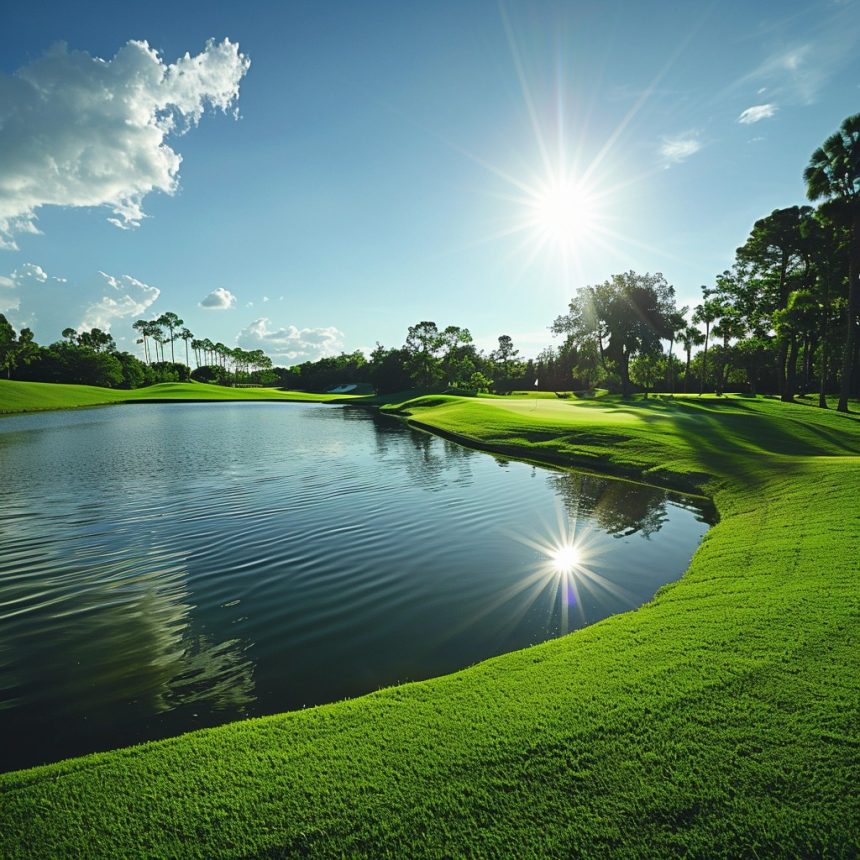
Golf is a precision-based individual sport in which players attempt to complete a course by striking a ball into a series of holes using the fewest possible strokes. Courses typically consist of 9 or 18 holes and vary in layout, terrain, hazards, and distance. The sport emphasizes technical swing mechanics, distance control, short-game precision, course management, and mental composure.
Core physical demands include rotational strength, balance, flexibility, coordination, and sustained concentration. While golf is not collision-based, high repetition in swing mechanics requires structured training to prevent overuse injuries. Strategic decision-making plays a central role, as players must evaluate risk, wind conditions, lie angles, and shot selection throughout a round.
Golf is played across amateur, collegiate, and professional levels, with structured handicap systems enabling competitive balance across skill levels. Formats include stroke play, match play, team competition, and scramble variants. Youth golf development typically begins through instructional academies, municipal programs, or club-based junior leagues.
Golf is governed internationally by the International Golf Federation (IGF) and is an Olympic discipline. Major championships and professional tours drive global visibility. From 2025–2026, participation remains strong globally, with notable growth in youth golf initiatives, simulator-based training, and facility modernization. Technology integration, including launch monitors and swing analytics, continues to shape both elite and recreational development.
Section 3: How We Can Help
theglobalsportsmarket.com supports athletes, families, and recreational participants navigating golf development pathways. The platform clarifies progression from introductory junior programs to competitive high school, collegiate, and elite amateur tracks.
Support includes guidance on equipment standards, handicap systems, course etiquette, coaching certification verification, and competition formats. The platform also provides awareness of modern training technologies such as launch monitors and video swing analysis while emphasizing structured skill development.
Community-based discovery of verified golf clubs, junior academies, and league programs is supported through Meet:
https://meet.theglobalsportsmarket.com
Section 4: Governing Organizations
International Golf Federation (IGF) – https://www.igfgolf.org
United States Golf Association (USGA) – https://www.usga.org
The R&A – https://www.randa.org
PGA of America – https://www.pga.com
Ladies Professional Golf Association (LPGA) – https://www.lpga.com
Section 5: Equipment Needed
Core Equipment (Youth → Pro)
Clubs (Driver, Irons, Wedges, Putter) compliant with USGA and R&A regulations
Golf Balls meeting governing body standards
Golf Bag and Tees
Golf Shoes designed for turf traction
Youth golfers should use age-appropriate club lengths and shaft flex to support proper swing mechanics.
Safety & Certification
Equipment used in sanctioned competition must comply with USGA and R&A regulations. Coaches affiliated with recognized golf organizations should maintain certification and continuing education. Junior programs should operate under structured supervision and facility safety standards.
2025–2026 Technology Trends
Launch monitor systems for ball speed and spin rate measurement
High-speed video swing analysis
Simulator-based indoor training environments
Performance data tracking applications
Section 6: Major Global Events
Professional / Elite
The Masters Tournament – https://www.masters.com
U.S. Open – https://www.usopen.com
The Open Championship – https://www.theopen.com
PGA Championship – https://www.pgachampionship.com
Olympic Games – https://www.olympics.com
Amateur & Youth
U.S. Junior Amateur Championship – https://www.usga.org
U.S. Girls’ Junior Championship – https://www.usga.org
The Amateur Championship (R&A) – https://www.randa.org
National junior tours governed by national federations
Section 7: Local Amateur Clubs
How to Identify Legitimate Programs
Golf participation often begins through municipal courses, private clubs, or junior academies. Families and athletes should confirm:
• Affiliation with recognized governing bodies or PGA-certified professionals
• Certified coaching credentials and instructional background
• Structured junior development programs
• Clearly defined practice schedules and supervision policies
• Transparent lesson and membership fee structures
Development Pathway Explanation
Recreational Participation
Municipal course play, introductory clinics, and youth camps focused on foundational skills and etiquette.
Junior Development Programs
Structured training, tournament participation, and handicap tracking systems.
Competitive Track
High school golf, regional junior tours, national amateur events, and collegiate recruitment pathways.
Elite Pathway
National development squads and international amateur competition leading toward professional tours.
Seasonal Commitment Expectations
Outdoor play often follows seasonal climate patterns; indoor simulator training may supplement year-round development.
Cost Transparency Expectations
Families should understand equipment costs, green fees, lesson rates, tournament entry fees, and travel expenses before committing to competitive programs.
Academic Balance Considerations
Competitive youth golfers should maintain balanced training schedules alongside academic responsibilities.
Red Flags to Avoid
• Instructors without recognized certification
• Programs lacking structured development curriculum
• Overemphasis on equipment upgrades instead of skill development
• Unclear fee breakdowns
• Unrealistic promises of collegiate scholarships
Official Governing Body Club Finders
USGA – Allied Golf Associations – https://www.usga.org
PGA of America – Find a Coach – https://www.pga.com
The R&A – National Federations – https://www.randa.org
Youth & Competitive Directories
Participants researching rankings and competitive pathways may consult:
World Amateur Golf Ranking (WAGR) – https://www.wagr.com
USGA Championship Listings – https://www.usga.org
Junior Golf Scoreboard – https://www.juniorgolfscoreboard.com
These platforms provide competition visibility but should not replace evaluation of coaching quality, facility standards, and long-term athlete development planning.
Community-Based Discovery
Structured local program discovery and comparison can also be supported through:
https://meet.theglobalsportsmarket.com
Careful evaluation of local amateur golf programs remains central to safe participation, technical development, and sustainable progression in the sport.