
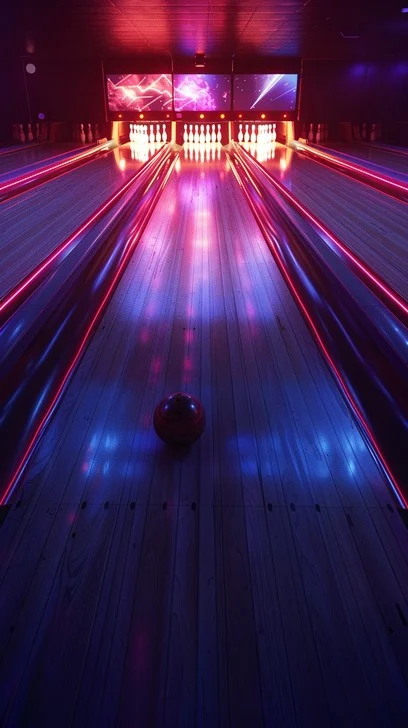
Bowling is a precision-based target sport in which athletes roll a weighted ball down a regulated lane to knock down ten pins arranged in a triangular formation. The standard competitive discipline is tenpin bowling, played over ten frames, with scoring determined by pinfall, strikes, and spares. The sport requires technical consistency, balance, fine motor control, timing, rotational mechanics, and strategic lane management. While not collision-based, elite performance demands core stability, grip strength, flexibility, and repeatable biomechanics.
Major formats and variations include:
• Tenpin (global standard, youth through professional)
• Ninepin (popular in parts of Europe)
• Candlepin and Duckpin (regional North American variations)
• Youth leagues, high school and collegiate bowling
• Amateur league play
• Professional tours (men’s and women’s)
• Singles, doubles, team, and mixed-gender formats
Bowling is primarily contested indoors, allowing year-round participation and strong commercial league infrastructure. Gender divisions exist at competitive levels, though mixed formats are common in youth and recreational competition.
Growth Trends (2025–2026)
Global participation remains stable with renewed youth engagement driven by structured high school programs in North America and expanding federation programs across Asia and the Middle East. Emerging markets include India, Southeast Asia, and parts of Africa, where federation-backed development programs are increasing facility investment.
Collegiate bowling in the United States continues to expand, particularly in women’s NCAA programs. Data-driven training tools, spectator-friendly broadcast formats, and enhanced lane technology are supporting professional visibility.
Olympic and International Federation Alignment
Bowling is governed internationally by the International Bowling Federation (IBF) and is included in multi-sport events such as the World Games and select regional games. While not currently on the Olympic program, the sport maintains structured international governance and anti-doping compliance through recognized international standards.
Youth Development and Elite Progression
Structured pathways typically follow this progression:
• Youth league participation
• Certified coaching instruction
• High school competition (where available)
• Collegiate bowling programs
• National amateur championships
• Professional tour qualification
National federations increasingly emphasize long-term athlete development models, technical coaching certification, and tournament-based ranking systems.
Technology and Equipment Innovation
Bowling has seen steady integration of:
• Lane oil pattern analytics and programmable lane machines
• Ball motion tracking systems
• Advanced reactive resin coverstocks and core engineering
• Video biomechanics analysis
• Data-based performance tracking software
Safety protocols emphasize regulated ball specifications, lane surface standards, and certified competition environments.
Section 2: Contents
• Bowling
• The Sport
• How We Can Help
• Governing Organizations
• Equipment Needed
• Major Global Events
• Local Amateur Clubs
Section 3: How We Can Help
The Global Sports Market supports the bowling ecosystem through structured education, governance awareness, and athlete development guidance.
Athlete and Parent Education
Clear explanations of development pathways, collegiate opportunities, tournament structures, and professional qualification standards.
Safety, Risk, and Compliance Awareness
Understanding certified equipment requirements, lane safety standards, coaching credentials, and sanctioned competition guidelines.
Equipment Standards and Sourcing Clarity
Guidance on approved bowling balls, footwear, and accessories aligned with governing-body regulations.
Performance Data and Modern Development Tools
Education on lane pattern strategy, analytics software, ball motion tracking systems, and structured training methodologies.
Discovery of Clubs, Camps, Tryouts, and Events
Families and athletes can identify verified programs and events through structured directories and governing-body resources.
Primary Connection Platform
Meet Discourse serves as the central connection platform for programs, clubs, and verified organizers:
https://meet.theglobalsportsmarket.com
Section 4: Governing Organizations
International Federation
International Bowling Federation (IBF)
https://bowling.sport
United States National Governing Body
United States Bowling Congress (USBC)
https://www.bowl.com
Professional Tours
Professional Bowlers Association (PBA)
https://www.pba.com
Professional Women’s Bowling Association (PWBA)
https://www.pwba.com
Equipment and Certification Standards
USBC Equipment Specifications and Approved Ball List
https://bowl.com/equipment-specifications
World Anti-Doping Agency (WADA)
https://www.wada-ama.org
Section 5: Equipment Needed
Core Equipment (Youth → Pro)
Bowling Ball
Regulation tenpin bowling balls (6–16 lbs). Industry-recognized manufacturers include Brunswick (https://brunswickbowling.com), Storm (https://www.stormbowling.com), and Ebonite (https://ebonite.com). Competitive athletes use multiple balls designed for varying oil patterns.
Bowling Shoes
Specialized slide and traction soles. Recognized manufacturers include Dexter (https://www.dexterbowling.com) and KR Strikeforce (https://www.krstrikeforce.com).
Finger Inserts and Thumb Slugs
Custom fit components for grip consistency and injury reduction.
Wrist Supports and Braces
Used for stability and repeatable release mechanics.
Bowling Bag
Protective transport for multi-ball tournament play.
Safety and Certification
• Balls must meet USBC or IBF specifications for weight, diameter, hardness, and surface preparation.
• Competitive events require equipment listed on approved-ball registries.
• Youth competition must comply with sanctioned league standards.
2025–2026 Technology Trends
Wearables and Load Tracking
General athletic wearables monitor heart rate variability, fatigue, and training load to support tournament scheduling and endurance management.
Video and Motion Analysis
Systems such as Specto Bowling (https://www.spectobowling.com) provide ball tracking, launch angle measurement, and breakpoint analytics.
Lane Technology
Programmable lane oil machines from manufacturers such as Kegel (https://www.kegel.net) allow standardized sport patterns and competitive fairness.
Data and Recruiting Platforms
Collegiate recruitment increasingly relies on verified tournament statistics, digital profiles, and sanctioned event performance data.
Section 6: Major Global Events
Professional / Elite
IBF World Championships
https://bowling.sport/events
IBF World Cup
https://bowling.sport/events/ibf-world-cup
Professional Bowlers Association (PBA) Tour
https://www.pba.com
Professional Women’s Bowling Association (PWBA) Tour
https://www.pwba.com
The World Games
https://www.theworldgames.org
Amateur and Youth
USBC Junior Gold Championships
https://www.bowl.com/juniorgold
USBC Youth Championships
https://www.bowl.com/youth
Collegiate Bowling Championships (NCAA Women’s Bowling)
https://www.ncaa.com/sports/bowling/nc
Section 7: Local Amateur Clubs
Athletes and families should identify programs through official governing-body directories to ensure legitimacy and safety compliance.
United States
USBC Find a Center Tool
https://www.bowl.com/find-a-center
USBC Association Directory
https://www.bowl.com/associations
International
International Bowling Federation Member Federations Directory
https://bowling.sport/members
Validation Steps
• Confirm program affiliation with national governing body
• Verify coaching credentials and background checks where applicable
• Ensure participation in sanctioned leagues or tournaments
• Review equipment compliance and lane certification
Community Discovery
MeetAt provides structured community discovery for verified clubs, camps, and development programs:
https://meet.theglobalsportsmarket.com
Final Validation
This overview reflects current international governance, structured competition pathways, recognized certification standards, and globally relevant development trends. The tone and structure align with professional industry analysis and remain platform-neutral for WordPress, Discourse, Ghost, and LinkedIn publication.