

Deportes de invierno

Deportes de invierno

The Sport

Winter sports encompass a diverse group of competitive and recreational disciplines conducted on snow and ice. These sports rely on cold-weather environments, artificial ice facilities, or mountain terrain, and demand specialized technical skills, environmental awareness, and sport-specific physical conditioning. Core physical attributes across winter sports include balance, power generation, agility, edge control, spatial awareness, anaerobic bursts, and, in endurance disciplines, sustained aerobic capacity under cold conditions.

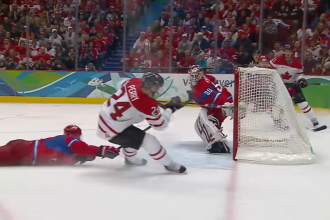
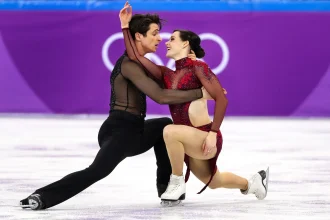
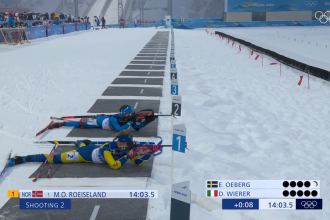
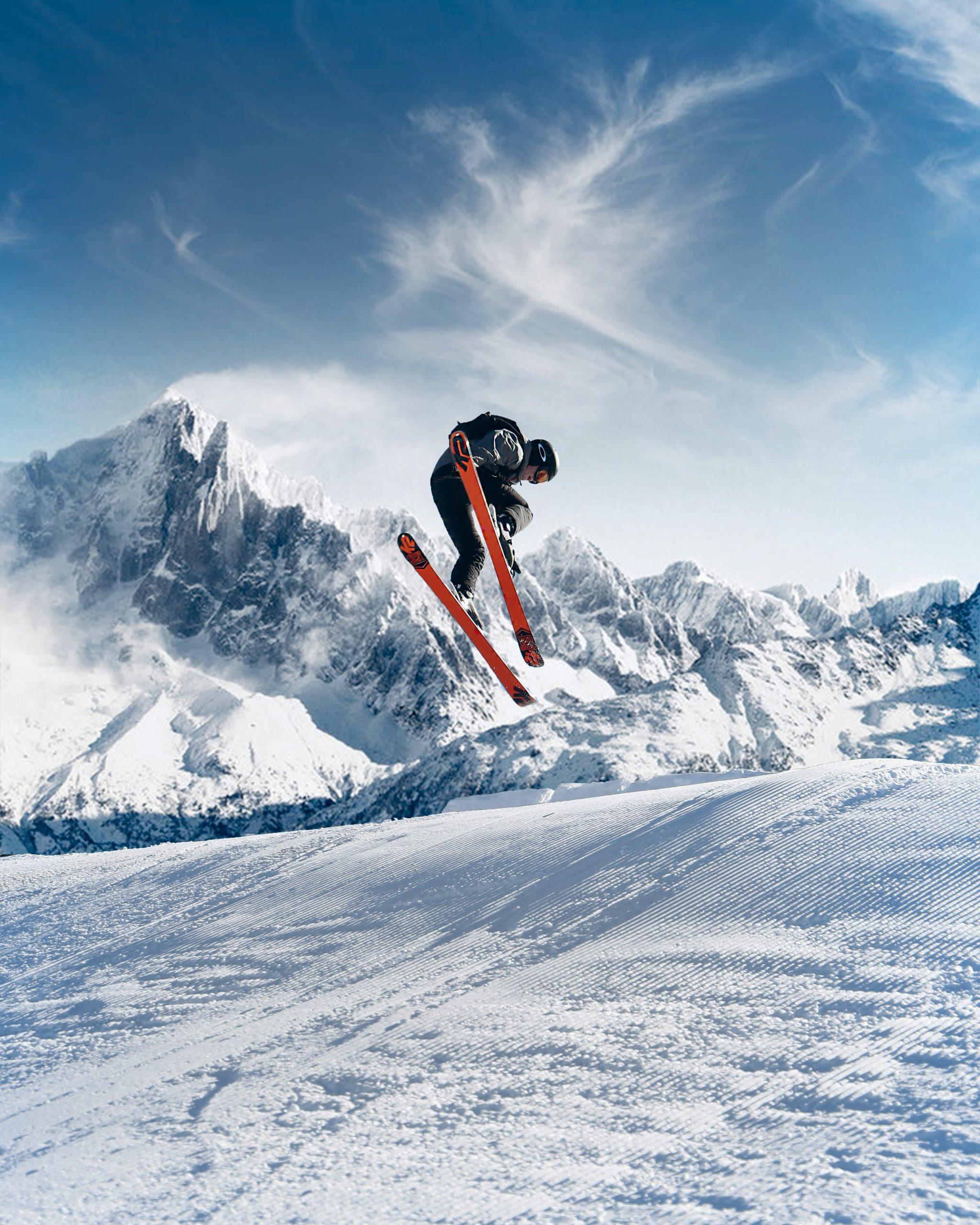
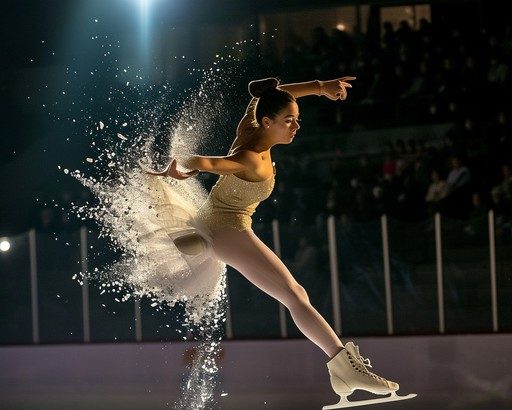
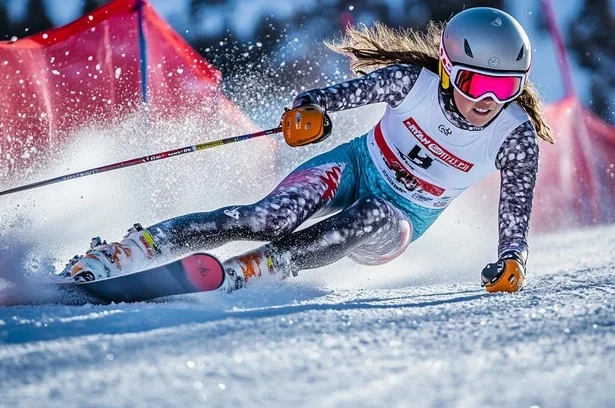
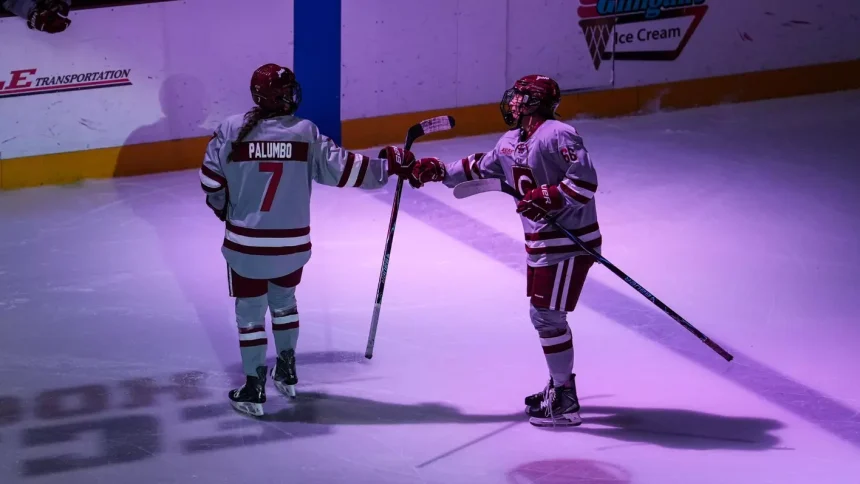
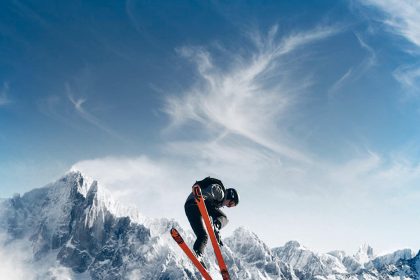
Winter sports are generally categorized into ice sports and snow sports. Ice sports include ice hockey, figure skating, speed skating (long track and short track), and curling. Snow sports include alpine skiing, cross-country skiing, biathlon, freestyle skiing, ski jumping, Nordic combined, snowboarding, and sliding sports such as bobsleigh, skeleton, and luge. Each discipline features distinct equipment standards, competition formats, and athlete development pathways.

The Winter Olympic Games represent the highest level of international competition for most winter disciplines and operate under the governance of the International Olympic Committee in partnership with global sport federations. In 2026, the Winter Olympic Games in Milano Cortina further elevate global attention, sponsorship investment, and youth participation in winter sport programs. Olympic alignment remains a major driver of funding, national federation development, and infrastructure investment across Europe, North America, and parts of Asia.

From 2025–2026, participation trends show steady engagement in traditional winter sport nations such as Canada, the United States, Scandinavia, Germany, Switzerland, Austria, Italy, and Japan. Emerging growth markets include South Korea and China, particularly following recent Olympic cycles. Climate variability and infrastructure costs remain structural challenges, leading to increased reliance on artificial snow production, indoor ice facilities, and technological surface management systems.

Technology adoption across winter sports continues to expand. High-speed video analysis, motion capture systems, aerodynamic testing, and equipment optimization are widely used at elite levels. Wearable GPS and biometric tracking systems assist with load management and injury prevention, particularly in skiing, snowboarding, and ice hockey. In sliding sports and speed disciplines, aerodynamic modeling and materials engineering significantly influence competitive margins.

Youth development pathways often begin through national federation programs, local clubs, and ski academies. Many winter sports require early technical skill acquisition due to equipment familiarity and environmental adaptation. At elite levels, centralized training facilities and national team support structures play a significant role in progression.

Contenido

Deportes de invierno
The Sport
How We Can Help
Governing Organizations
Equipment Needed
Major Global Events
Local Amateur Clubs

How We Can Help

theglobalsportsmarket.com supports athletes, families, coaches, and investors navigating the winter sports ecosystem by providing structured guidance across participation pathways, safety considerations, and competition structures. The platform clarifies differences between ice-based and snow-based disciplines, outlines age-appropriate development models, and explains how Olympic alignment influences funding and visibility.

Support includes education on equipment standards, environmental safety considerations, and certification requirements relevant to high-speed and cold-weather competition. The platform also provides clarity around modern performance tools such as biomechanical analysis, load monitoring systems, and sport-specific equipment innovation.

Discovery of verified clubs, academies, camps, and competitive events is supported through Meet:
https://meet.theglobalsportsmarket.com

This enables families and athletes to identify structured, safe environments before committing to training programs or competition pathways.

Governing Organizations

International Olympic Committee (IOC) – https://www.olympics.com
International Ice Hockey Federation (IIHF) – https://www.iihf.com
International Ski and Snowboard Federation (FIS) – https://www.fis-ski.com
International Skating Union (ISU) – https://www.isu.org
International Bobsleigh & Skeleton Federation (IBSF) – https://www.ibsf.org
International Luge Federation (FIL) – https://www.fil-luge.org
World Curling Federation (WCF) – https://worldcurling.org
USA Hockey – https://www.usahockey.com
U.S. Ski & Snowboard – https://usskiandsnowboard.org
U.S. Figure Skating – https://www.usfigureskating.org

Equipment Needed

Core Equipment (Youth → Pro):

Ice Sports:
Skates (Bauer – https://www.bauer.com, CCM – https://ccmhockey.com)
Helmets and Protective Gear (must meet certified safety standards)
Sticks and Pucks (ice hockey)
Curling stones and delivery equipment

Snow Sports:
Skis and Bindings (Rossignol – https://www.rossignol.com, Atomic – https://www.atomic.com)
Snowboards (Burton – https://www.burton.com)
Boots and Technical Apparel
Helmets and Goggles
Sliding sport sleds (discipline-specific, highly regulated)

Safety & Certification:

Helmets used in ice hockey, skiing, and snowboarding must meet applicable national and international safety certifications, often guided by standards recognized by governing federations and certification bodies such as NOCSAE – https://nocsae.org

Competition equipment in Olympic disciplines must meet federation-specific specifications defined by FIS, ISU, IIHF, IBSF, FIL, and WCF regulations.

2025–2026 Technology Trends:

Wearable GPS and motion tracking for skiing, snowboarding, and ice hockey performance monitoring
High-speed video and motion capture systems for technique refinement
Aerodynamic simulation and wind-tunnel testing in sliding and speed sports
Smart training equipment for edge control, reaction timing, and force measurement

Major Global Events

Professional / Elite:

Winter Olympic Games – https://www.olympics.com
FIS Alpine Ski World Cup – https://www.fis-ski.com
IIHF Ice Hockey World Championship – https://www.iihf.com
ISU World Figure Skating Championships – https://www.isu.org
IBSF World Championships – https://www.ibsf.org
FIL World Championships – https://www.fil-luge.org

Amateur & Youth:

FIS Junior World Championships – https://www.fis-ski.com
IIHF World Junior Championship – https://www.iihf.com
National youth championships organized by respective national federations

Local Amateur Clubs

Families and athletes should identify winter sport programs through official federation directories and validated club listings. Given the technical and environmental risks associated with many winter disciplines, credentialed coaching, certified facilities, and compliance with governing body standards are critical.

Official discovery resources include:

FIS Member Associations Directory – https://www.fis-ski.com
IIHF Member National Associations – https://www.iihf.com
ISU Member Federations – https://www.isu.org
USA Hockey – Find a Program – https://www.usahockey.com
U.S. Ski & Snowboard – Club Finder – https://usskiandsnowboard.org

Community-based discovery and verified participation pathways are supported through:
Meet – https://meet.theglobalsportsmarket.com

These tools provide structured entry points into winter sports participation while helping athletes and families align training environments with long-term development and safety standards.

Verified by MonsterInsights